Decoding Bonus Structures: How Referral Incentives Shape User Growth at Britain's Leading Betting Platforms
Alex Krüger · Sep 6, 2026
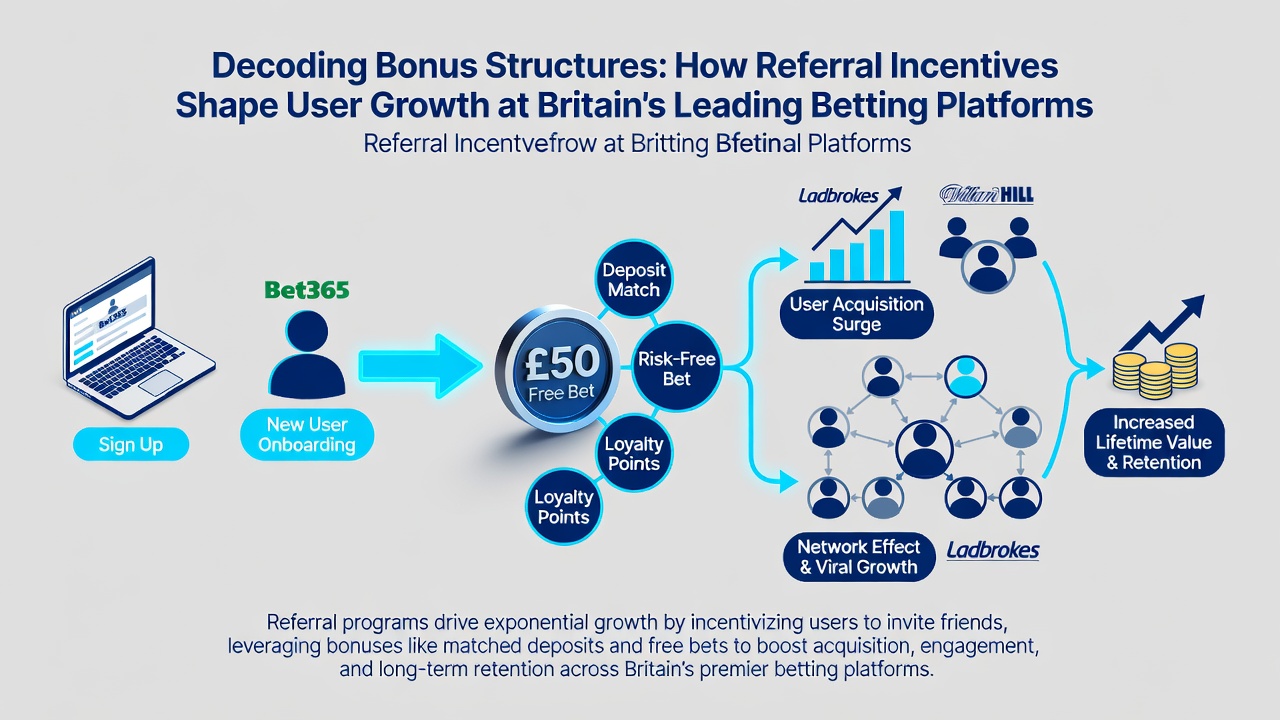
Decoding Bonus Structures: How Referral Incentives Shape User Growth at Britain's Leading Betting Platforms
Referral incentives function as structured rewards that encourage existing users to bring in new participants through shared links or codes, and operators across Britain integrate these mechanisms into broader growth strategies that tie directly into account registration and initial deposit flows. Platforms track these referrals through unique identifiers that trigger credits once the new user completes qualifying actions such as verification and a minimum bet, while the referrer receives their own payout in the form of free bets or cash equivalents that often carry specific wagering requirements.
Mechanics Behind Referral Credit Allocation
Leading operators set tiered reward levels where the value of the incentive scales with the number of successful referrals completed within a calendar period, and this structure creates compounding effects as active users accumulate multiple payouts over time. Data from industry reports shows that referral-driven sign-ups frequently account for 15 to 25 percent of new accounts at established British sites during peak promotional windows, whereas organic search and paid advertising fill the remaining acquisition channels. Observers note that these programs operate alongside standard welcome offers yet remain distinct because they rely on peer networks rather than direct marketing spend.
User Growth Patterns Linked to Referral Activity
Analysts examining platform metrics have documented sustained increases in monthly active users during periods when referral bonuses receive prominent placement in app notifications and email campaigns, and this correlation holds across multiple operators even as overall market conditions fluctuate. In September 2026 several major platforms introduced refreshed referral tiers that extended payout windows from 30 days to 90 days, allowing referrers additional time to meet activity thresholds before credits expire. Such adjustments coincided with observed upticks in referral volume, particularly among users who maintain consistent betting patterns across football and horse racing seasons.
One study released by the National Council on Problem Gambling examined incentive structures in multiple jurisdictions and found that referral mechanics tend to concentrate growth among users already engaged with the platform, rather than expanding into entirely new demographic segments. This pattern appears because existing users typically share links within established social circles where betting participation already occurs at higher rates.
Platform-Specific Variations in Referral Terms
Britain's larger operators differ in how they calculate the minimum stake needed to unlock referrer rewards, with some requiring the referred user to place bets at odds of 2.0 or greater while others accept any qualifying wager regardless of price. These distinctions influence which user segments participate most actively, since higher-odds requirements appeal to those focused on accumulator bets whereas lower thresholds attract casual punters. Additional differences emerge in the form of expiry dates attached to earned credits and whether partial payouts occur when only some conditions are met.

Research from the Victorian Responsible Gambling Foundation indicates that clearer communication of these terms correlates with higher completion rates among referred users, and several British platforms have responded by updating in-app tutorials that walk users through the steps required to claim rewards. This approach reduces instances where credits go unclaimed because participants overlook a particular condition.
Retention Effects and Network Expansion
Referral programs contribute to retention because both the original user and the new participant often remain active while pursuing ongoing rewards, and this dual engagement loop strengthens platform stickiness compared with one-time welcome bonuses alone. Operators measure success through metrics such as the lifetime value of referred accounts versus non-referred ones, and available figures reveal that referred users frequently exhibit longer average session durations during their first three months. The structure therefore supports both immediate acquisition targets and longer-term revenue stability.
Yet the effectiveness of these incentives depends on the underlying product experience, since users who encounter frequent technical issues or limited market depth tend to disengage regardless of bonus availability. Platforms that combine referral rewards with competitive odds and reliable payout processing report higher repeat referral rates from the same user base.
Conclusion
Referral incentives continue to serve as measurable drivers of user growth at Britain's leading betting platforms through structured credit systems that reward both acquisition and ongoing activity, and adjustments implemented around September 2026 demonstrate how operators refine these mechanics in response to performance data. The approach integrates peer-driven acquisition with existing marketing channels while operating within frameworks that emphasize verifiable user actions before rewards are released.